

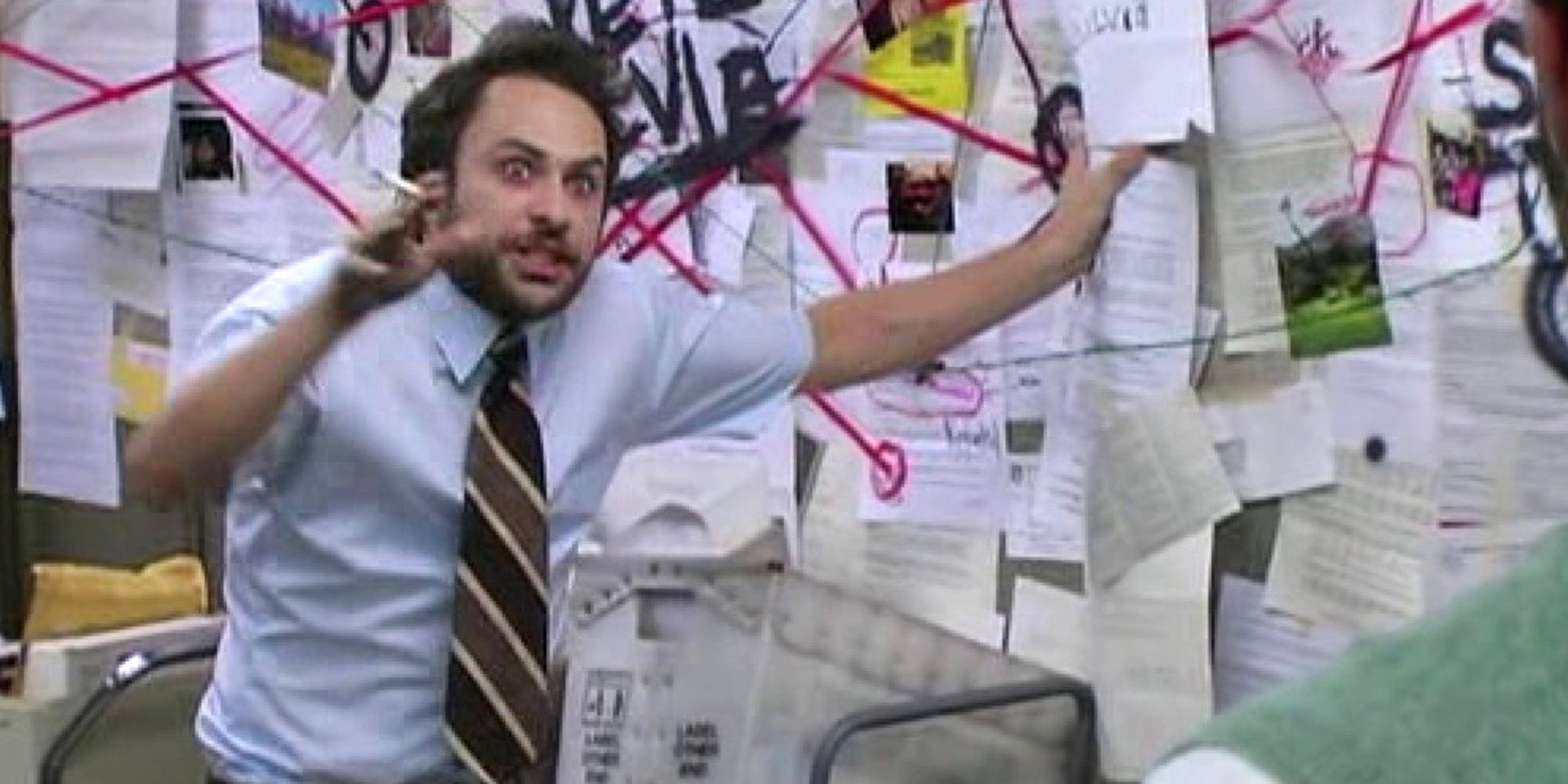
I believe the hardest thing to do in communications right now is what I call Audience Assembly: the task of determining where and how to reach the people you're trying to influence. We're living in a real paradox of a moment media-wise and profession-wise: It's never been easier to reach an audience, but it's never been harder to reliably assemble your audience.
The Good Old Days (That Aren’t That Old)
Flash back a decade or so. You had a CEO announcement to push. You knew exactly where to go: Wall Street Journal for the business community, maybe Fortune, the FT, or BusinessWeek for a slightly broader business audience. Local paper for hometown coverage. Done. Policymakers? Washington Post, Politico, and The Hill. No brainer. Targeting consumers in a specific market? Local TV morning shows, the metro daily, the alt-weekly if you were feeling spicy. Trying to go big with consumers? A GMA or TODAY hit was a game-changer.
The beauty wasn't just the clarity of where to go, it was the transparency of what you'd get. Every one of these outlets had (and still has) media kits with circulation numbers, demographic breakdowns, geographic reach. They had to, because advertisers demanded it.
When you landed that WSJ placement, you knew (notionally) you were reaching a reader base of 2.8 million people with a median household income of $242,000 and a trove of other demographic info. When you got on the local morning show, you knew the DMA, the ratings, the demo splits.
It was like ordering from a menu where every item had the ingredients and calories listed.
The New Fractured, Frantic, Fascinating Hellscape
Flash forward to today. Broad-reach instruments still exist, but they're few and far between and largely shells of their former selves. Newsrooms have been gutted: 50% staff reductions at major metros, entire beats and even papers eliminated, senior reporters taking buyouts left and right. Even in the tech vertical specifically, there’s been a thinning out of journalism.
But the real problem is that your audience—whatever audience you're trying to reach—has scattered to the four winds. CEOs aren't just reading the Journal anymore. They're subscribing to niche Substacks, listening to industry-specific podcasts on their Peloton, scrolling LinkedIn during their third Zoom of the morning, and getting their news from whatever their algorithm decides to surface.
Say you're launching a B2B SaaS product for CFOs. Where do CFOs consume content today?
Traditional media: Sure, this audience definitely read the FT and WSJ in numbers.
LinkedIn: Absolutely, but you have to cut through the thought leadership industrial complex. And if you want more targeted, expanded reach, you’ve got to pay.
Podcasts: There are literally dozens targeting finance executives.
Newsletters: Everything from Morning Brew to hyper-niche Substacks.
Slack communities and WhatsApp groups: Yep, those too.
Twitter/X: The finance crowd never really left.
Each of these channels reaches some CFOs, for sure. But which ones? How many? What kind? Good luck finding out. Remember those media kits I mentioned? The demographic data? The circulation audits? None of that exists in the new world.
A podcast host might tell you they get "tons of downloads" or "great engagement." Press them for specifics and you'll get a vague "we're killing it" or maybe, if you're lucky, a download range that spans an order of magnitude. Unless they've chosen to make their stats public (spoiler: most don't), you're flying blind with that influential Substack you just connected with. You might see they have 50K subscribers, but how many actually open the emails? How many read past the first paragraph? What industries are they in?
There's no equivalent of a media buying intelligence platform for earned (or paid, much to the chagrin of my CMO friends) media in this new landscape. No centralized place where you can see reach, demographics, engagement rates, and audience composition for the thousands of newsletters, podcasts, and influencer channels that have replaced traditional media. It's like the entire media ecosystem switched from nutrition labels to vibes.
So What Do We Do?
The job has fundamentally changed. And ironically, we're doing it with less data, less certainty, and paradoxically, more effort than ever before. I don't have all the answers, but I know pretending this isn't happening won't make it go away. The smartest comms teams I see are adapting by:
Accepting that precision has been replaced by portfolio theory—you need to be in lots of places because you can't be sure which ones will work
Investing heavily in social listening to understand where conversations are actually happening
Getting comfortable with ambiguity while still pushing for whatever metrics they can get
Building their own owned audiences (company newsletters, podcasts, communities)
The companies and teams that figure out audience assembly in this new world—and really figure it out, not just throw spaghetti at the wall—are going to have a massive competitive advantage. Because while everyone else is shouting into the void, they'll actually be having conversations with the people who matter.
Until someone builds the tools we actually need (and if you're building something in this space, please reach out, I want to see it), we're all just going to have to get comfortable with the chaos.
At least the job's not boring.